🔥 Up to 72% OFF - Access all current & future templates with a one-time payment. Lifetime now at $249!



Posted on
July 24, 2026
| By Qourvac
Motion that doesn't make users wait too long
A practical guide to building smooth scroll-linked animations, exit transitions, and scroll triggers for modern web experiences.

2.4K
318 Comments
Motion that doesn't make users wait too long
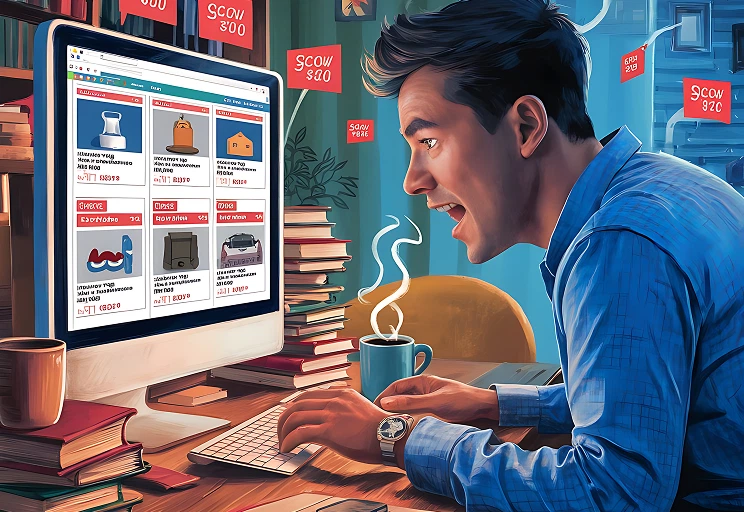
Motion is one of the most powerful tools in modern web design, but its success depends on balance. The best animations improve usability, guide attention, and provide visual feedback without making visitors wait. Premium websites use motion to create a polished experience while ensuring every interaction feels immediate and responsive.
Many designers focus on adding impressive effects instead of creating meaningful experiences. Long animations, excessive delays, and decorative transitions often interrupt the user journey. Instead, purposeful motion keeps interfaces feeling smooth, intuitive, and efficient.

Best practices for modern website motion
Premium interfaces rely on consistency rather than complexity. Small details repeated throughout the experience create a stronger impression than large animations used only once. Motion should support the design system and reinforce usability instead of competing with the content.
Following clear motion principles helps maintain accessibility, improves perceived performance, and creates a cohesive visual language.
The Principles Behind Premium Digital Experiences
- Keep most interface animations between 200–400ms.
- Animate transforms and opacity for optimal performance.
- Use consistent easing across every interaction.
- Avoid unnecessary delays before displaying content.
- Guide user attention with subtle transitions.
Creative motion can strengthen a brand, but excessive animation often has the opposite effect. Visitors value responsiveness more than visual complexity. Successful websites combine subtle transitions, thoughtful interactions, and optimized performance to create an experience that feels both modern and effortless.